
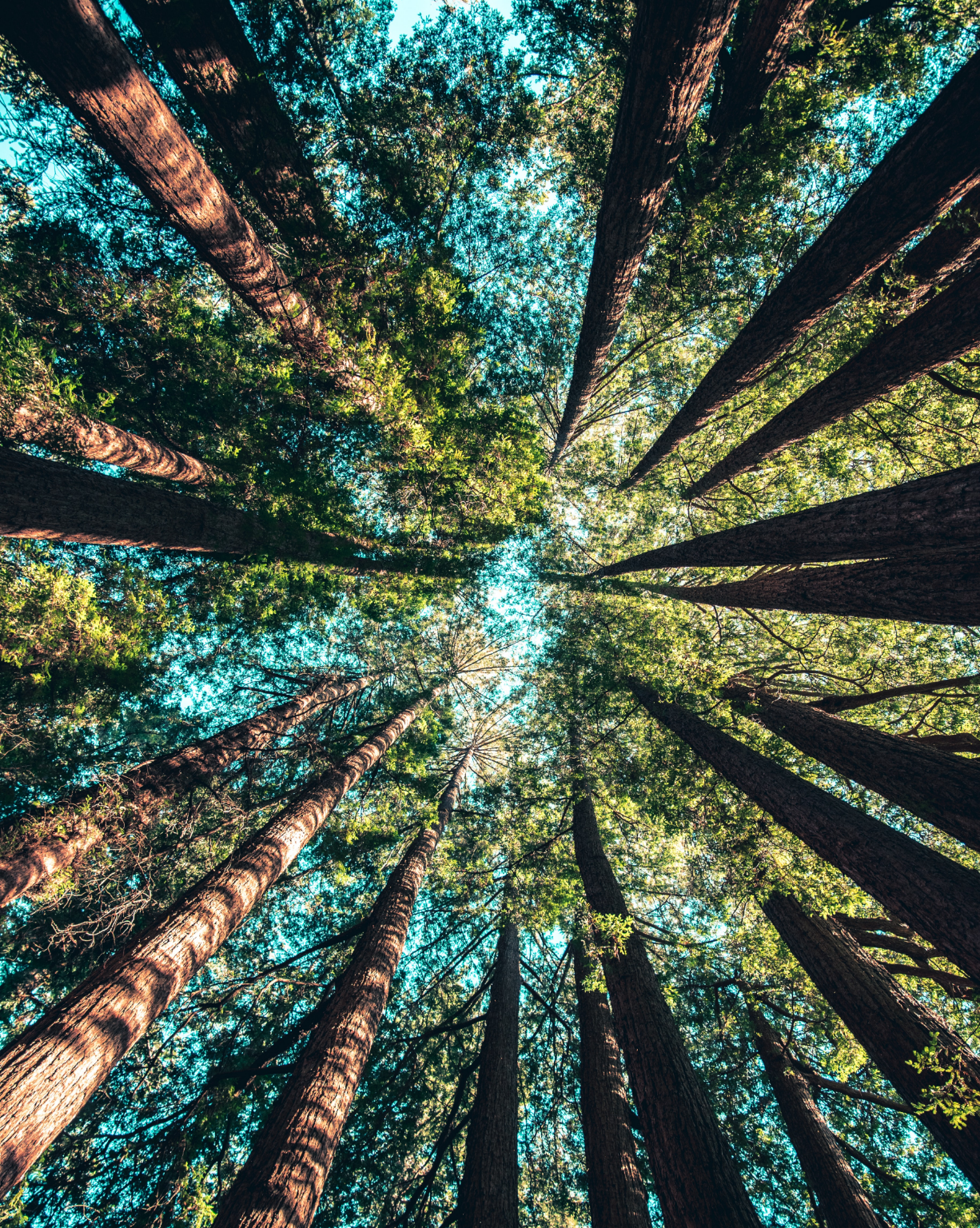
A More Sustainable Christmas: Small Changes That Help Reduce Deforestation
Christmas is a time for celebration, generosity, and tradition — but it’s also a time when our environmental impact can quietly increase. From Christmas trees and wrapping paper to cards and decorations, the festive season uses a huge amount of natural resources, particularly trees.
The good news? You don’t need to overhaul Christmas to make a difference. By making a few small, thoughtful changes next year, we can all help reduce unnecessary deforestation while still enjoying everything that makes Christmas special.
Choosing a Real Christmas Tree — and Using It Responsibly
Real Christmas trees often get a bad reputation, but when sourced responsibly they are actually a sustainable choice. Most real Christmas trees sold in the UK are grown on managed farms, where trees are replanted year after year.
They absorb carbon as they grow, support rural businesses, and importantly, they can be fully recycled after Christmas.
To make your tree choice even more sustainable:
-
Buy locally grown trees where possible
-
Avoid plastic bases and decorations that can’t be reused
-
Recycle your tree after Christmas through local council schemes or drop-off points. Here is some guidance on what you can do from Gloucestershire council.
A real tree that’s grown, used, and recycled responsibly can have a far lower environmental impact than people realise.
Rethinking Wrapping Paper
Wrapping paper is one of the biggest hidden contributors to festive waste. Millions of rolls are used every year, and much of it can’t be recycled due to glitter, foil, or plastic coatings.
Simple alternatives can dramatically reduce waste and the demand for paper products:
-
Reuse wrapping paper from previous years
-
Choose plain brown paper that can be recycled
-
Use ribbon, twine, or reusable clips instead of tape
-
Wrap gifts in fabric, scarves, or reusable gift bags
By keeping wrapping paper intact and reusable, we reduce the number of trees needed to produce new paper year after year.
Check out this video on how to wrap Christmas presents without the need to use any tape!
Cards, Crackers, and Decorations
Christmas cards and decorations are another area where small changes add up.
Consider:
-
Sending fewer cards, or choosing recycled and recyclable options including e-cards
-
Keeping decorations year after year instead of replacing them
-
Choosing natural decorations like pinecones, greenery, or wood
-
Avoiding single-use novelty items that quickly end up in the bin
These choices help reduce waste and support a more sustainable approach to celebrating.
Recycling After Christmas Matters
What happens after Christmas is just as important as the choices we make beforehand. Real Christmas trees can be recycled into mulch and woodchip, while paper, cardboard, and packaging can often be recycled through local collections.
Taking a few minutes to separate and recycle festive waste helps keep valuable materials out of landfill and reduces pressure on forests and natural resources.
Small Changes, Big Impact
Deforestation isn’t caused by one single action — it’s the result of millions of small, everyday choices. Christmas is no different.
By choosing responsibly sourced trees, rethinking wrapping paper, reusing decorations, and recycling where possible, we can all play a part in protecting woodland and green spaces for the future.
At Tall Tree Services, trees are at the heart of what we do. Caring for them responsibly — whether in gardens, woodland, or at Christmas — helps ensure they’re around for generations to come.